
Perfume Maceration: What It Is, Why It Matters, and How to Do It Right
Everything you need to know about macerating perfume—clearly explained, chemistry-aware, and ready to publish.
Quick Summary
-
In modern perfumery, “maceration” usually means letting the fragrance solution rest in bulk (vat/drum) before bottling so the blend stabilizes and clarifies. Many factories allow ~2–3 weeks of resting in a dedicated “maceration place.”
-
“Maturation” is how a perfume evolves in the bottle over time—sometimes improving, sometimes dulling—driven by light, heat, oxygen, and slow chemical changes.
-
Cold/“chill” filtration is often applied after resting to remove haze and sediments for crystal clarity.
-
Real chemistry happens: oxidation, acetal formation (aldehydes + alcohol), and related reactions can shift scent and color—beneficially or not.
-
For stability, industry follows IFRA safety standards and often uses antioxidants like BHT (within cosmetic safety limits).

1) What “Maceration” Means in Perfumery Today
In modern production, “maceration” means resting the perfume solution (concentrate + alcohol + water, sometimes trace additives) in bulk containers before bottling. Major facilities keep sealed barrels or tanks in a controlled area—the “maceration place”—for about two to three weeks so the liquid “comes together,” stabilizes, and passes stress tests before filling lines start.
Key idea: maceration is a process step in the factory, not a ritual consumers must repeat at home.
2) Maceration vs. Maturation vs. (Old-school) Maceration of Botanicals
-
Maceration (modern usage) = the pre-bottling rest in drums/tanks to let a freshly blended formula settle and integrate.
-
Maturation = longer-term changes in a filled bottle: some notes soften or merge; others fade or oxidize depending on storage.
-
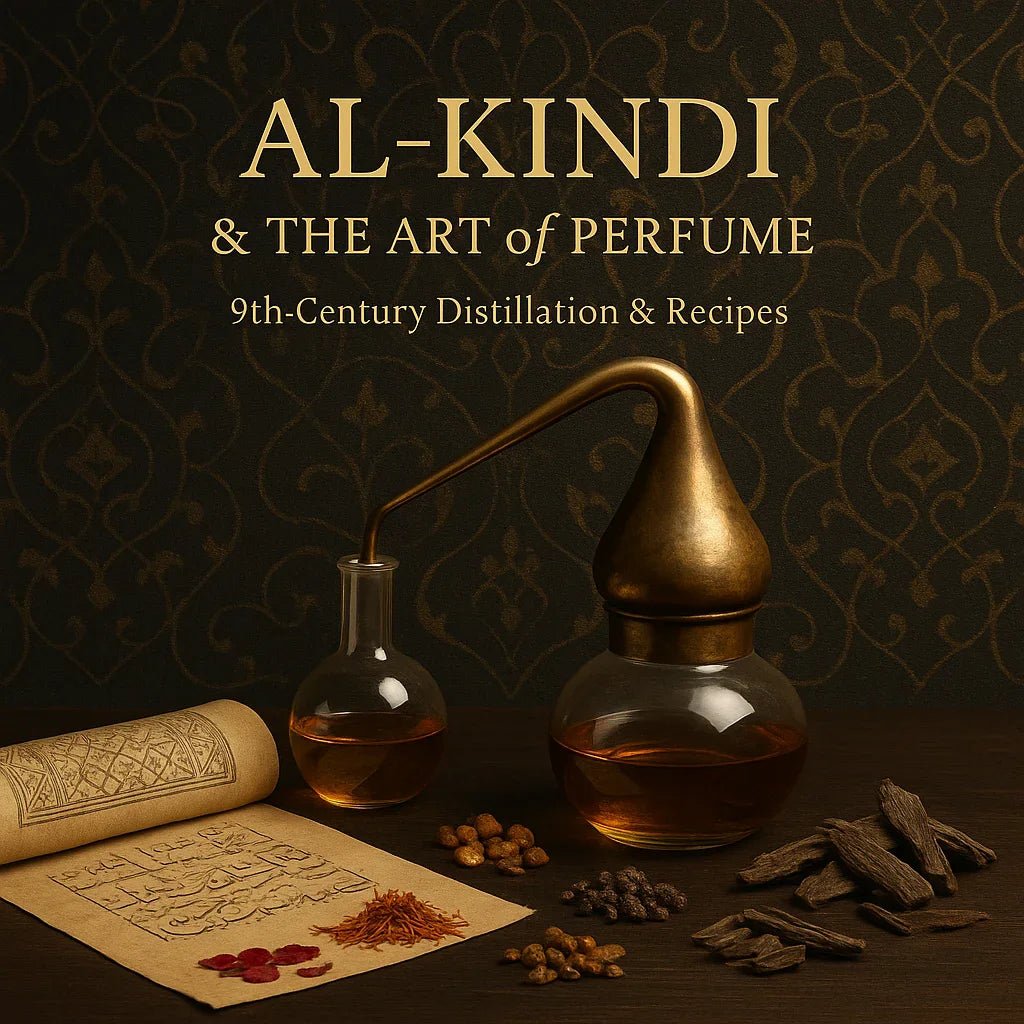
Historical “maceration” (extraction) = an old technique of soaking botanicals in warm fats/oils to extract aroma (distinct from today’s pre-bottling rest). Classic texts list “maceration” alongside enfleurage and solvent extraction.
3) What Actually Happens During Maceration (The Chemistry)
Maceration isn’t magic—it’s controlled time for physical and chemical equilibration:
-
Physical integration & solvation: Aroma compounds fully dissolve and distribute in ethanol/water; micro-heterogeneities calm down. (Industry evidence for factory resting; see §1 above.)
-
Slow chemical adjustments:
-
Acetal formation: aldehydes can react reversibly with alcohols (like ethanol) to give hemiacetals/acetalsunder acid catalysis. This can subtly alter top notes over time.
-
Oxidation: exposure to oxygen/light/heat can produce peroxides and degradation products—one study linked peroxides to acetaldehyde + diethyl acetal formation, explaining odor shifts during aging.
-
-
Practical takeaway: Maceration happens in sealed, dark, cool conditions to encourage equilibration while minimizing oxidation.
4) How Long Should You Macerate?
There is no single “right” number; formula and materials dictate time. In practice:
-
Factory norm: ~2–3 weeks in dedicated maceration storage before bottling is common in large-scale operations (after stress-testing for heat/cold/UV and packaging compatibility).
-
Beyond the factory: Some brands allow longer rests for complex, resinous bases, but specifics are rarely published and vary by house. Treat public “X weeks for all” claims skeptically; use stability tests to decide.
5) Ideal Conditions: Temperature, Light, Oxygen & Time
-
Temperature: Cool, stable conditions reduce reaction rates that degrade naturals (terpenes, citrus, etc.).
-
Light: UV and bright retail lighting can alter juice; keeping bulk and finished goods in the dark preserves top notes and color.
-
Oxygen: Limit headspace and agitation; oxygen promotes oxidation and off-notes.
-
Time: Enough to stabilize, not so long that brightness dies—verify with sensory checks + accelerated stability(heat/cold/UV) used by factories.
6) Cold (“Chill”) Filtration & Clarification
After resting, producers often chill the perfume and pass it through fine filters to remove haze (wax esters, high-MW components, undissolved solids). This step improves clarity and stability before filling.
7) Step-by-Step: A Practical Maceration Protocol
For artisan brands / labs (bench to pilot)
-
Blend & make up to strength (EtOH/water per target strength). Mix gently; avoid vortexing air.
-
Rest sealed in amber glass or stainless (food-grade 304/316L) at cool, stable temperature away from light for 2–3 weeks as a starting point. Keep headspace minimal.
-
Stability checks at day 7 & 14 (smell strip + skin), and run small stress tests (warm/cold/UV) if possible to spot color shift, haze, or off-odors early.
-
Optional: add antioxidant (e.g., BHT within cosmetic safety ranges) pre-blend for citrus/terpene-rich or oxidation-prone formulas; document usage.
-
Chill & filter if haze forms; verify clarity post-filtration.
-
Fill & crimp; store finished stock cool/dark.
For factories (bulk)
-
Use stainless tanks with good sealing; many facilities keep bulk in dedicated maceration areas for weeks, then cold-filter and fill. Some lines use nitrogen to minimize oxygen exposure.
8) Quality Checks: How to Know You’re Ready to Bottle
-
Visual: no haze/sediment after 24–48 h at ambient; passes a 48 h fridge check without clouding.
-
Olfactory: top/mid/base feel integrated; no harsh solventy bite.
-
Stability: survives a basic heat/cold/UV cycle with no significant color drift or off-note. (This mirrors the stress labs used at contract manufacturers.)
-
Compliance: formula fits IFRA category limits; documentation ready (IFRA certificate, PIF, etc.).
9) Myths to Avoid (Freezers, Sunlight, Constant Shaking)
-
“Freezer maceration” (consumer hack) confuses chill filtration with “bonding molecules.” Cold helps drop out haze for filtration; it’s not a shortcut to better chemistry. Keep consumer bottles at cool room temp, not frozen.
-
Leaving caps off to ‘breathe’ accelerates oxidation and risks off-notes. Keep containers sealed and oxygen exposure low.
-
Sunlight ‘energizes’ perfume—in reality, light degrades many aromatics and colors; store in the dark.
10) FAQ
Q: Does longer maceration always improve performance (sillage, longevity)?
A: No. Past a point, top notes can fade and resinous materials may dominate. Use comparative smelling and stress teststo set a brand-specific window rather than a fixed rule.
Q: Are natural-heavy formulas more sensitive?
A: Often yes. Terpenes (e.g., limonene, linalool) oxidize more readily; consider antioxidants and stricter light/heat control.
Q: Is there a universal “3, 6, 8 weeks” rule?
A: No. Many factories rest ~2–3 weeks; complex formulas may need more. Decide by sensory and stability data, not folklore.
Q: Why do some perfumes darken with time?
A: Oxidation and reactions like acetal or Schiff base formation (with certain aldehydes/amines) can darken or shift scent. Store cool, dark, sealed.