
What Is Perfume Maceration? Why It Matters Before You Spray
Most people judge a perfume within seconds. One spray, quick reaction, done. But here’s the catch. That first impression can be completely wrong. A fragrance that feels sharp or too strong at first can transform into something smooth and addictive later. The reason behind that shift is perfume maceration.
This blog breaks it down in plain terms. What does it really mean by maceration, why does it alter your odor, and how can you use it to your benefit before determining whether it is a perfume worth having?

What Is Perfume Maceration?
The simplest way to understand what is maceration in perfume is this. It’s the resting phase where all ingredients blend properly after being mixed.
Perfumes are made from oils, alcohol, and aroma compounds. Right after production, those elements don’t fully “agree” with each other. They need time to settle.
During maceration, the perfume becomes more balanced. Notes stop clashing and start flowing together. That harsh alcohol hit fades. The fragrance feels more complete.
Why Perfume Changes Over Time
Fresh perfumes can feel unfinished. That’s normal, not a flaw. As part of perfume aging, several small chemical interactions happen inside the bottle. Nothing dramatic, just slow blending.
• Alcohol softens the intensity of raw ingredients
• Heavy notes like oud or amber deepen and round out
• Top and base notes stop competing and start supporting each other
This is why a fragrance that felt “too much” at first suddenly feels perfect later.
Maceration vs Perfume Aging
These two terms get mixed up a lot, but they’re not the same. Maceration is the early blending stage after production. Perfume aging is the longer journey a scent takes over months or even years.
Maceration builds the foundation. Aging refines it further.
Understanding this difference helps set expectations. Maceration improves balance quickly. Aging works more slowly and subtly.
How Maceration Impacts Performance

A properly macerated perfume doesn’t just smell better. It performs better too. The difference shows up in three main ways.
• Longevity improves because the notes are more stable
• Projection feels smoother instead of loud and uneven
• Depth increases as base notes become richer
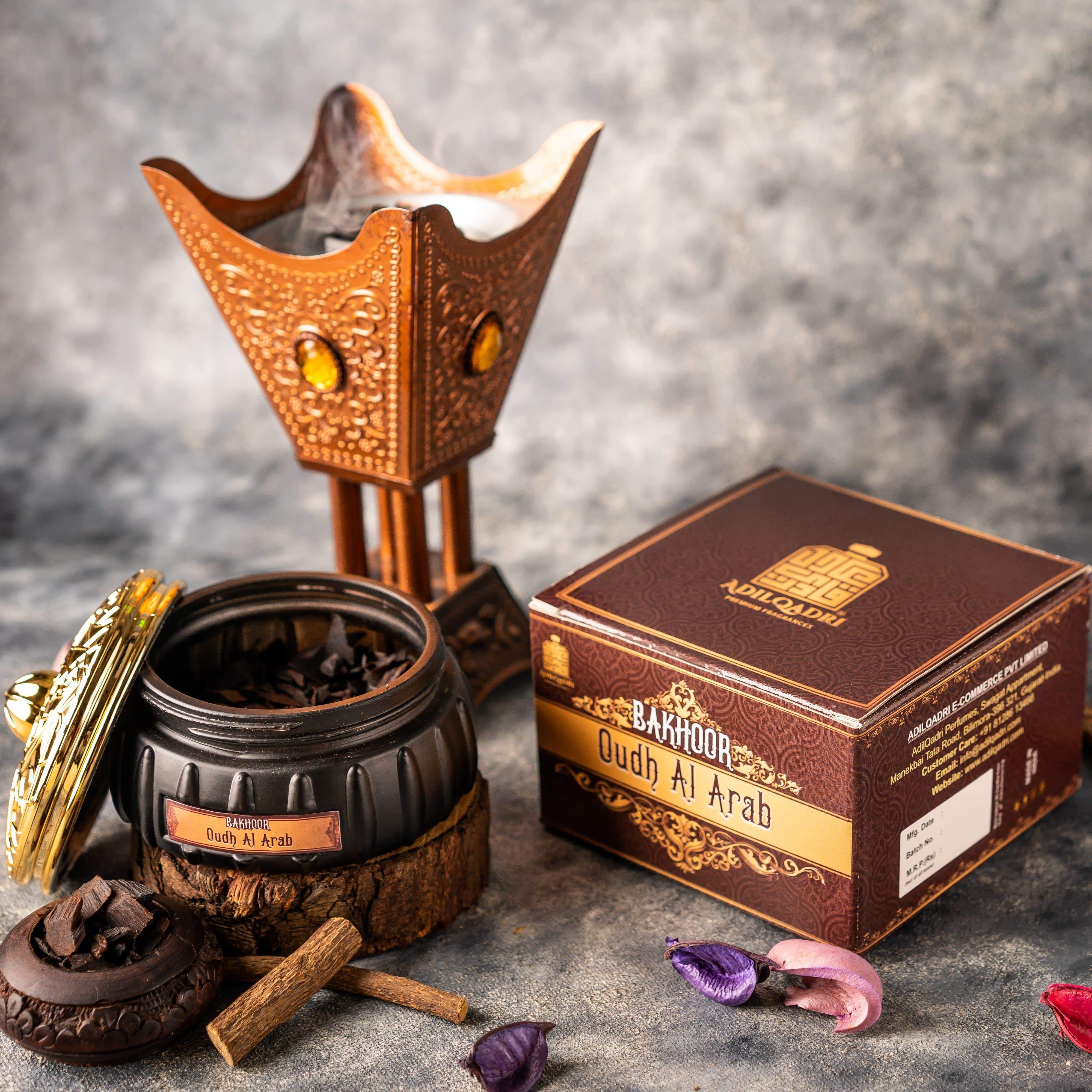
Oud-based perfumes are a perfect example. Early sprays can feel sharp or medicinal. After a few weeks, they turn warm, deep, and layered.
Real-World Experience That Confuses Buyers
Many fragrance lovers notice something strange. A new bottle feels average. It sits unused for a while. Then suddenly, it smells better.
This happens often with niche and Arabic fragrances. Some brands ship products quickly after production. That means full maceration perfume hasn’t happened yet.
Collectors who understand this simply wait. No panic, no quick judgment. The scent evolves, and the difference is noticeable.
How to Macerate Perfume at Home
Nothing complicated is needed. Just a bit of patience and a simple routine.
• Spray the perfume a few times to introduce air
• Store it in a cool, dark place away from sunlight
• Leave it untouched for a few weeks
That’s enough. Overhandling or constantly checking slows things down instead of helping.
Mistakes That Can Ruin the Process
Not every environment is good for maceration. Some habits can actually damage the fragrance. The largest enemies are heat, light and humidity. A bottle kept close to a window, or in a bathroom can disperse the scent rather than enhancing it.
Another mistake is judging too early. Many people test a perfume once and decide instantly. That often leads to missing out on what the fragrance could become.
Does Every Perfume Need Maceration?
Not really. Large designer brands usually macerate perfumes before selling them. Those are ready to use straight away. Smaller or niche brands are different. Their perfumes often benefit more from resting time.
Heavy compositions, especially those with oud, musk, or resins, show the biggest improvement. Light citrus scents don’t change much.
Why This Matters Before You Spray
Quick reactions don’t always tell the full story. A perfume is not a static product. It evolves, settles, and sometimes surprises.
Understanding perfume maceration helps avoid wasting money on fragrances that just need time. It also helps you experience scents the way they were meant to be experienced.
The slight change of attitude makes the difference. You do not judge, but rather you give the perfume a chance to do its business.
Conclusion
Perfume is more than just a scent in a bottle. It’s a process. Time plays a quiet but powerful role in shaping how a fragrance smells and performs. What maceration is becomes clear once you notice how dramatically a perfume can improve after resting.
Patience turns an average experience into a great one. That’s especially true for deeper, richer fragrances where perfume aging enhances every layer.
Those who understand this don’t rush their judgment. They let the scent evolve. And when it does, the result feels worth the wait. Carefully selected fragrances from Fragrance Forte often show this transformation beautifully when given the time they deserve.
FAQs
1. What is maceration in perfume?
Perfume maceration is the resting phase where ingredients blend over time, making the scent smoother and more balanced.
2. How long should maceration perfume take?
Most perfumes improve after 2 to 6 weeks, depending on their composition.
3. Does perfume aging improve all fragrances?
Perfume aging mainly benefits heavier scents. Light fragrances usually show minimal change.
4. Can maceration make a perfume last longer?
Yes, proper maceration often improves longevity, projection, and overall performance.